
Rival Claims of The Saviors
It is claimed by the disciples of Jesus Christ that he was of supernatural and divine origin; that, although he was woman conceived, he was deity begotten, and molded in human form, but comprehending in essence a full measure of the infinite Godhead, thus making him half human and half divine in his sublunary origin.
It is claimed that he was full and perfect God, and perfect man; and while he was God, he was also the son of God, and as such was sent down by the father to save the fallen and guilty world; and that thus his mission pertained to the whole human race; and his inspired seers are made to declare that ultimately every nation, tongue, kindred, and people under heaven will acknowledge allegiance to his government, and concede his right to reign and rule the world; that “every knee must bow, and every tongue confess that Jesus is Lord, to the glory of God the Father.”
But we do not find that this prophecy has ever been or is likely to be fulfilled. We do not observe that this claim to the infinite deityship of Jesus Christ has been or is likely to be universally conceded.
On the contrary, it is found that by a portion, and a large portion of the people of even those nations now called Christian, this claim has been steadily and unswervingly controverted, through the whole line of history, stretching through the nearly two thousand years which have elapsed since his advent to earth.
Even some of those who are represented to have been personally acquainted with him – aye! some of his own brethren in the flesh, children in the same household, children of the same mother – had the temerity to question the tenableness of his claim to a divine emanation. And when we extend our researches to other countries, we find his claim, so far from being conceded, is denied and contested by whole nations upon other grounds. It is met and confronted by rival claims.
Upon this ground hundreds of millions of the established believers in divine revelation – hundreds of millions of believers in the divine character and origin of religion – reject the pretensions set up for Jesus Christ.
They admit both a God and a Savior, but do not accept Jesus of Nazareth as being either. They admit a Messiah, but not ’the’ Messiah; these nations contend that the title is misplaced which makes “the man Christ Jesus” the Savior of the world. They claim to have been honored with the birth of the true Savior among them, and defend this claim upon the ground of priority of date.
They aver that the advents of their Messiahs were long prior to that of the Christians, and that this circumstance adjudicates for them a superiority of claim as to having had the true Messiah born upon their soil.
It is argued that, as the story of the incarnation of the Christians’ Savior is of more recent date than those of the oriental and the ancient religions (as is conceded by Christians themselves), the origin of the former is thus indicated and foreshadowed as being an outgrowth from, if not a plagiarism upon the latter – a borrowed copy, of which the pagan stories furnish the original.
Here, then, we observe a rivalship of claims, as to which of the remarkable personages who have figured in the world of Saviors, Messiahs, and Sons of God, in different ages and different countries, can be considered the true Savior and “sent of God;” or whether all should be, or the claims of all rejected.
For researchers in oriental history reveal the remarkable fact that stories of incarnate Gods answering to and resembling the miraculous character of Jesus Christ have been prevalent in most if not all the principal religious heathen nations of antiquity; and the accounts and narrations of some of these deific incarnations bear such a striking resemblance to that of the Christian Savior – not only in their general features, but in some cases the most minute details, from the legend of the immaculate conception to that of the crucifixion, and subsequent ascension into heaven – that one might almost be mistaken for another.
More than twenty claims of this kind – claims of being invested with divine honor (deified) – have come forward and presented themselves at the bar of the world, with their credentials, to contest the verdict of Christendom, in having proclaimed Jesus Christ, “the only son, and sent of God:” twenty Messiahs, Saviors, and Sons of God, according to history or tradition, have in past times, descended from heaven, and taken upon themselves the form of men, clothing themselves with human flesh, and furnishing incontestable evidence of a divine origin, by various miracles, marvelous works, and superlative virtues
And finally these (more than) twenty Jesus Christs (accepting their character of the name) laid the foundation for the salvation of the world, and ascended back to heaven:
Adad of Assyria
Adonis, son of the virgin Io of Greece
Alcides of Thebes
Atys of Phrygia
Baal and Taut, “the only Begotten of God,” of Phoenicia
Bali of Afghanistan
Beddru of Japan
Buddha Sakia of India
Cadmus of Greece
Crite of Chaldea
Deva Tat, and Sammonocadam of Siam
Divine Teacher of Plato
Fohi and Tien of China
Gentaut and Quexalcote of Mexico
Hesus of Eros, and Bremrillah, of the Druids
Hil and Feta of the Mandaites
Ischy of the Island of Formosa
Ixion and Quirnus of Rome
Holy One of Xaca
Indra of Tibet
Jao of Nepal
Krishna of Hindostan
Mikado of the Sintoos
Mohammed, or Mahomet, of Arabia
Odin of the Scandinavians
Prometheus of Caucasus
Salivahana of Bermuda
Thammuz of Syria
Thor, son of Odin, of the Gauls
Universal Monarch of the Sibyls
Wittoba of the Bilingonese
Xamolxis of Thrace
Zoar of the Bonzes
Zoroaster and Mithra of Persia
Zulis, or Zhule, also Osiris and Orus, of Egypt
In order to appreciate the comparison that follows, we offer some information about who Horus is and how he fits into Egyptian culture:
P’TAH (Gods of Heaven came to Earth from the Celestial Disk) installed as Egypt’s first Divine Ruler his own son RA and
RA then divided the Egyptian kingdom between the ’gods’…
OSIRIS and SETH who fought over control of the kingdom.
After OSIRIS was killed, resuscitated and resurrected, his place on the throne was taken over by his son…
HORUS, whose mother was ISIS.
Then HORUS was given Upper and Lower Egypt by the Lord of the Earth thus becoming the legitimate heir in the RA-OSIRIS line of succession, establishing that kingship had a perpetual divine connection.
(To understand Egyptian history, one must read Sitchin’s books about the Sumerian civilization and its connection to Egypt.)
Some say that the Christian religion came directly out of the Egyptian religion; at least, it was the probable source of the origins of Christianity. Be it further noted that Zecharia Sitchin in The Lost Realms (page 183), claims that the Sumerian ENKI was the Egyptian P’TAH, the Sumerian MARDUK was the Egyptian RA and NINGISH was the Egyptian THOTH. Now let’s compare the Egyptian HORUS with the Christian JESUS CHRIST.
A List of the similarities between Horus and Jesus:
Horus and the Father are one.
Jesus says, “I and My Father are one. He that seeth Me, seeth Him that sent Me.”
Horus is the Father seen in the Son.
Jesus claims to be the Son in whom the Father is revealed.
Horus was the light of the world, the light that is represented by the symbolical eye, the sign of salvation.
Jesus is made to declare that He is the light of the world.
Horus was the way, the truth, the life by name and in person.
Jesus is made to assert that he is the way, the truth, and the life.
Horus was the plant, the shoot, the natzar.
Jesus is made to say: “I am the true vine.”
Horus says: It is I who traverse the heaven; I go round the Sekhet-Arru (the Elysian Fields); Eternity has been assigned to me without end. Lo!
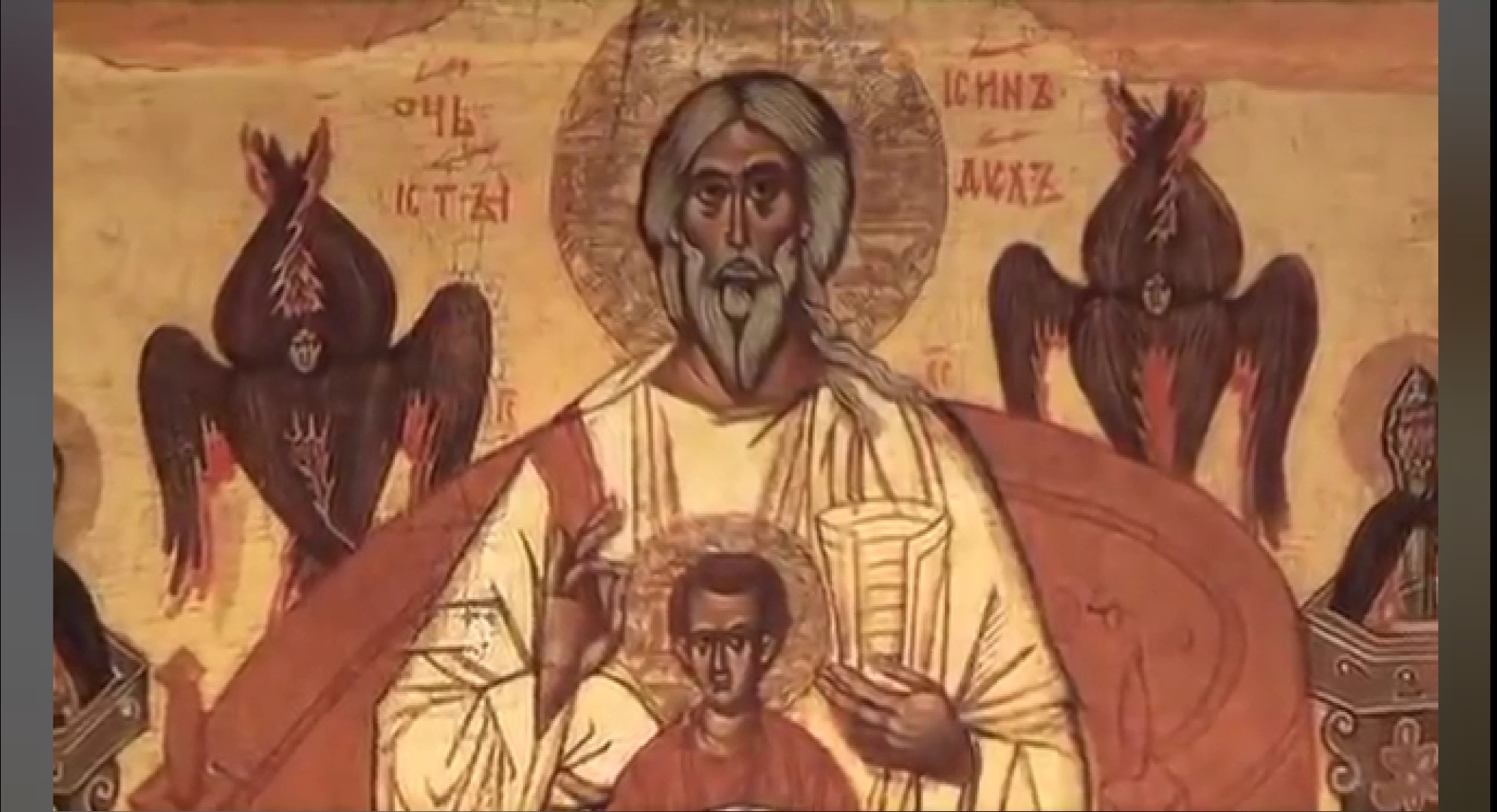
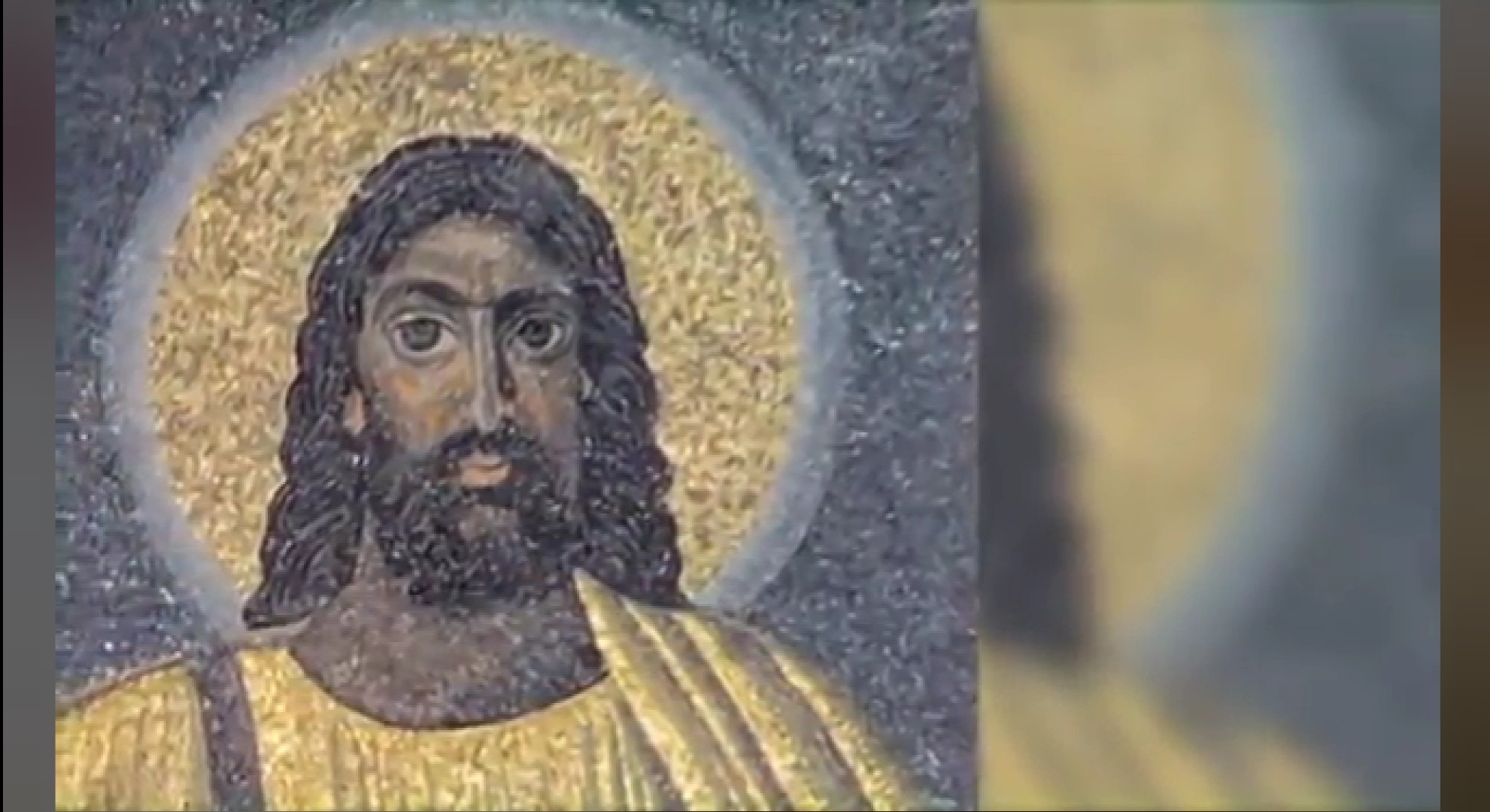
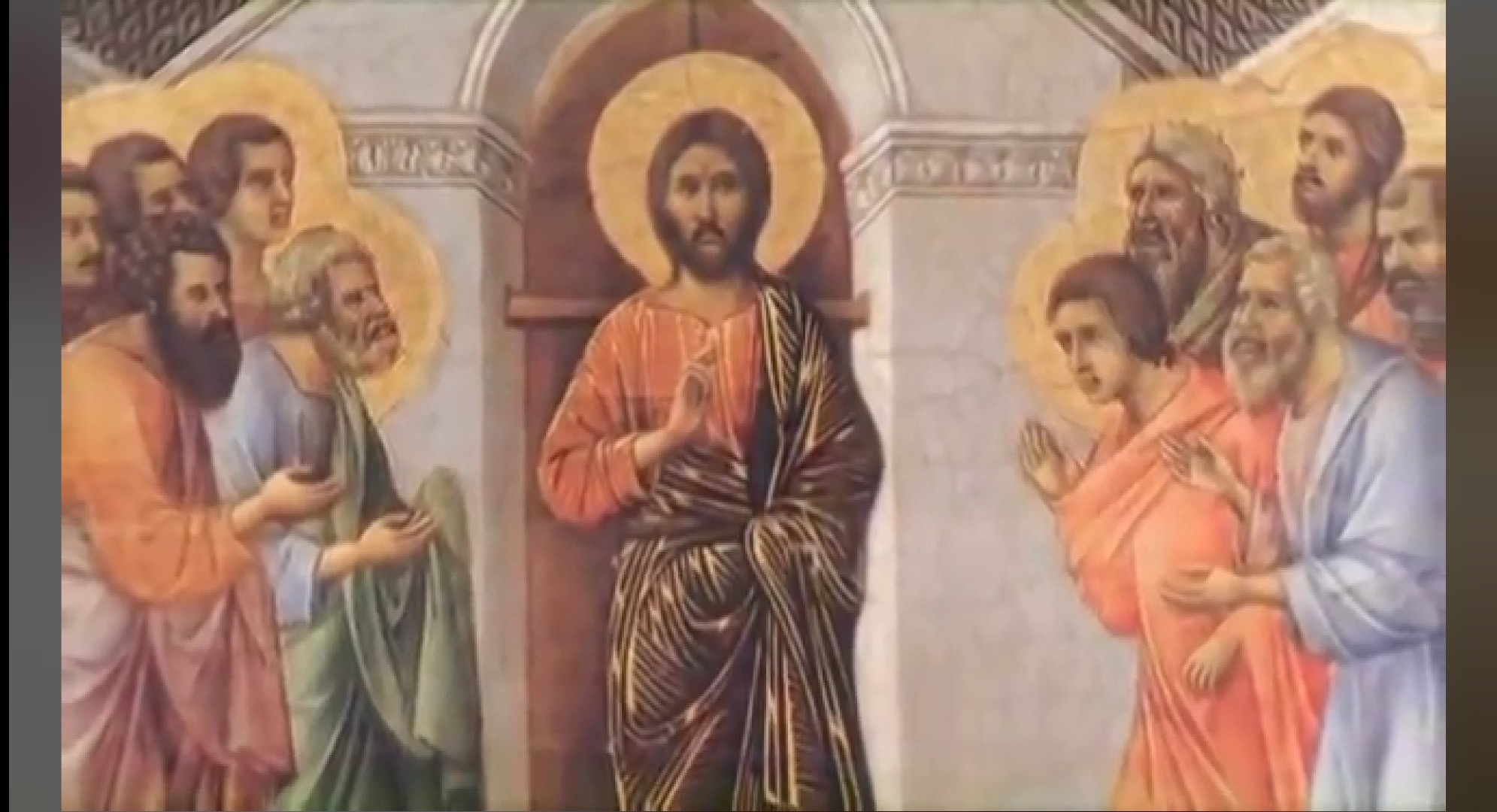
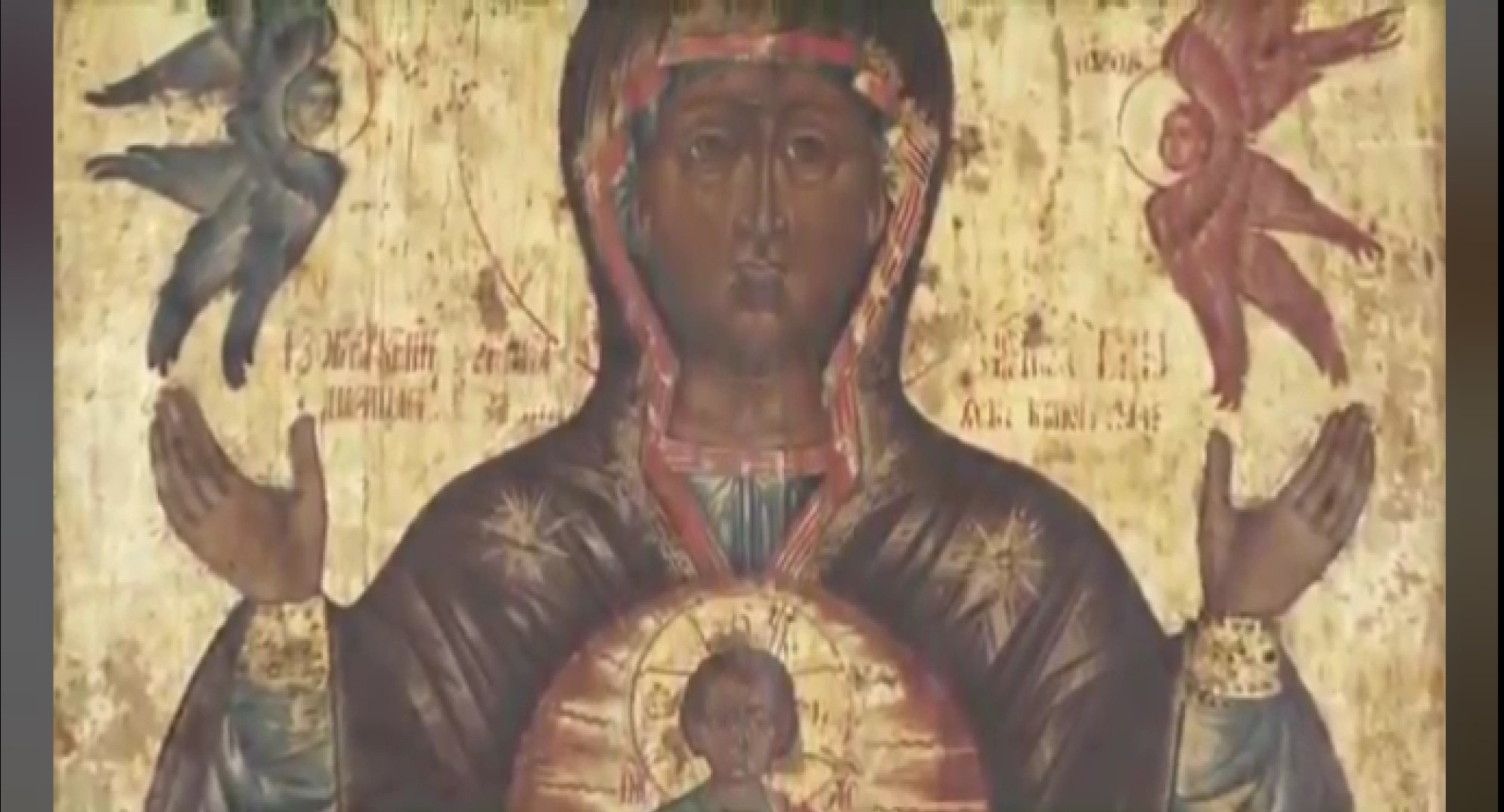
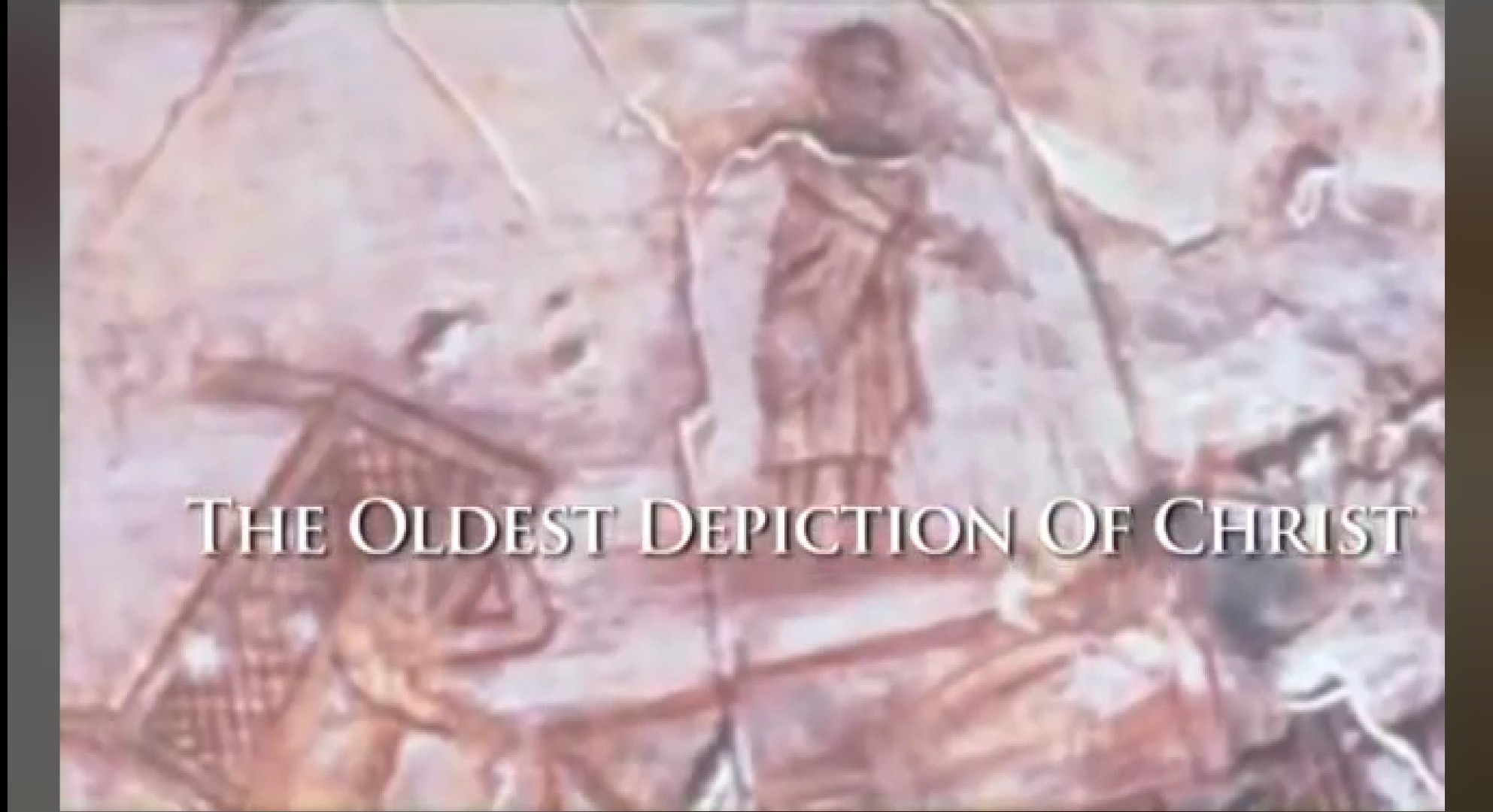
The oldest depiction of Krst

 KGOSINKOTSI 📚